Melinda French Gates: Navigating Relief and Sadness Amidst Ex-Husband's Epstein Scandal
The intricate web of connections surrounding convicted sex offender Jeffrey Epstein continues to unravel, casting a long shadow over prominent figures, including Bill Gates. As new details emerge, the emotional toll on those associated, particularly his ex-wife Melinda French Gates, becomes increasingly apparent. Her recent statements reveal a complex mix of relief at being distanced from the controversy and profound sadness over the ongoing revelations, underscoring the enduring impact of the Epstein scandal on personal and public lives.
The Personal Toll: Melinda French Gates' candid Reflections
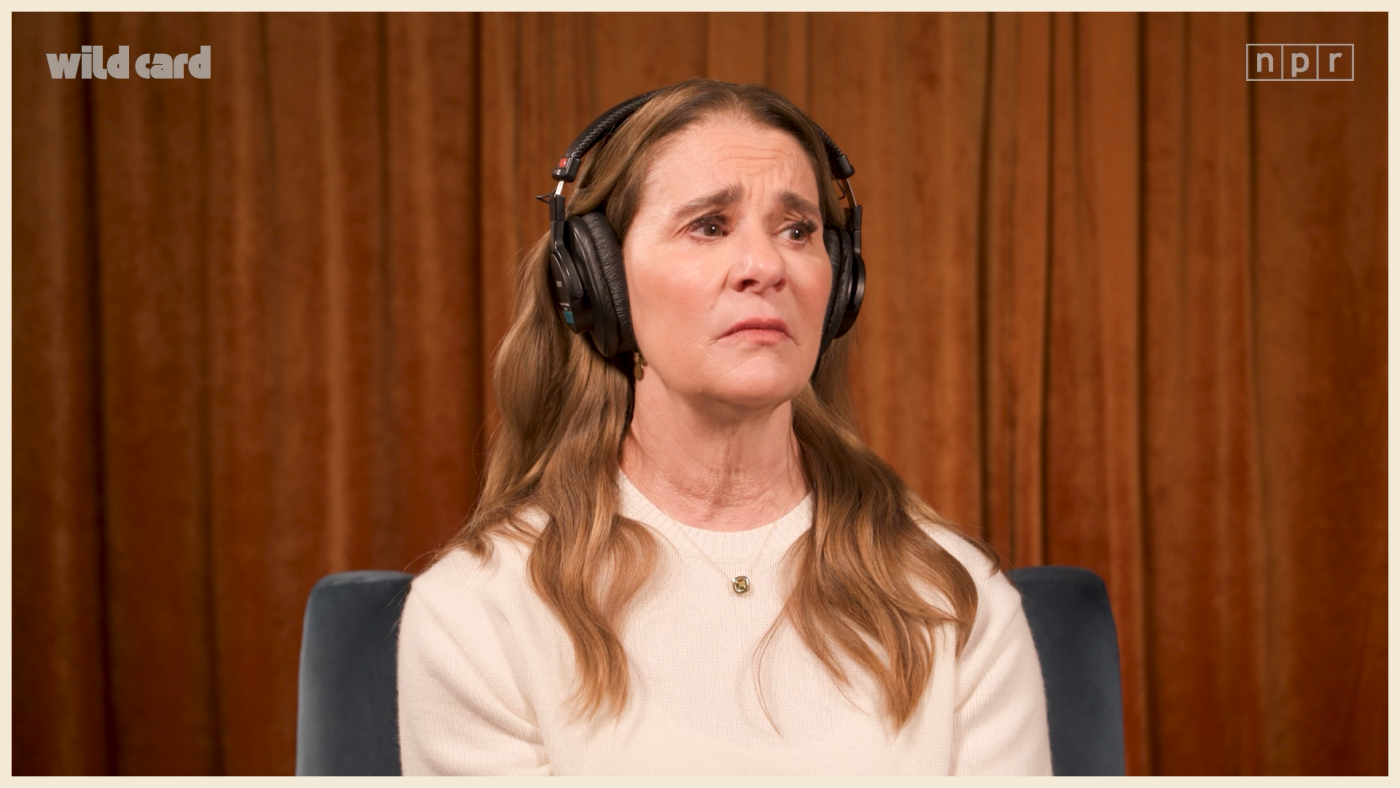
In a recent interview, Melinda French Gates shared her raw emotions regarding the continuous flow of information tied to Jeffrey Epstein and her former marriage. The 61-year-old entrepreneur and philanthropist openly admitted that it's "always difficult when these details come to light." This sentiment highlights the personal anguish associated with public scrutiny of deeply private and painful events.
A significant revelation from her interview was her emphatic declaration: "I am very glad to be away from all that dirt." This statement powerfully conveys a sense of liberation and a desire for emotional distance from the sordid affairs. However, this relief is tempered by "incredible sadness," particularly when confronted with recently unsealed documents related to Epstein. She specifically referenced alleged emails in which Epstein claimed Bill Gates had sought his help for a sexually transmitted disease—a claim Bill Gates' spokesperson vehemently denies. This anecdote underscores the particularly distressing nature of some revelations, pushing beyond mere association into deeply personal and potentially damaging territory. Melinda also maintained that it is ultimately Bill's responsibility to address these allegations himself, emphasizing her separation from his past actions and their repercussions.
Bill Gates' Admissions and the Alleged Leverage
While Melinda grapples with the fallout, Bill Gates has also publicly addressed aspects of his past. During a staff meeting at the Gates Foundation, the 70-year-old Microsoft co-founder made a surprising confession, as reported by the Wall Street Journal. He admitted to having two affairs during his marriage to Melinda French Gates: one with a Russian bridge player he met at bridge events and another with a Russian nuclear physicist encountered through business dealings. He was quick to emphasize that these relationships had no connection to Jeffrey Epstein or his victims.
More significantly, Gates apologized for his association with Epstein, acknowledging it as a grave error that conflicted with the foundation's values. He reiterated that he engaged in no illegal activities, witnessed no crimes, and never spent time with Epstein's victims. However, he also conceded that Epstein allegedly sought to exploit knowledge of these extramarital affairs to exert pressure on him. This acknowledgment sheds light on the sinister tactics employed by Epstein and the vulnerability even powerful individuals faced. Gates expressed regret to all who were inadvertently drawn into the matter due to his misjudgment. A spokesperson for the organization confirmed that Bill spoke openly and accepted responsibility for his actions, a move likely aimed at transparency and accountability within the institution. For more details on these confessions and the leverage claims, you can read Bill Gates Confesses Russian Affairs, Addresses Epstein Leverage Claims.
The Complexities of Accountability in High-Profile Cases
The public nature of these admissions, particularly within the Gates Foundation, highlights the intricate balance between personal conduct and professional integrity. For a foundation dedicated to global health and development, the revelations about its co-founder's past associations with a convicted sex offender, and the alleged leverage involved, inevitably raise questions about trust and governance. The commitment to transparency, even when painful, is often a critical step in maintaining credibility, especially for organizations with a public mission.
The Broader Shadow of the Epstein Scandal
The ripple effects of the Epstein scandal extend far beyond the personal narratives of those directly connected. The case has continuously captivated global attention due to its sheer depravity and the high-profile individuals implicated. Adding to the intrigue and public concern are the mysterious circumstances surrounding the deaths of key figures involved.
Jeffrey Epstein himself was found dead in his prison cell in August 2019, an incident officially ruled a suicide but one that continues to fuel widespread speculation and conspiracy theories. Similarly, French modeling agent Jean-Luc Brunel, accused by multiple former top models of rape and officially charged with various sexual offenses against minors, was also found dead in his prison cell in February 2022. Brunel, who denied the accusations, was seen as a potential key witness, further intensifying the debate about the true extent of the network and the ability of justice to fully run its course. These deaths underscore the dark, complex, and often unanswered questions that continue to define the Epstein saga, leaving many searching for complete transparency and accountability in a case that has touched so many lives and institutions.
Lingering Questions and the Quest for Justice
The deaths of Epstein and Brunel, particularly given their significance to potential investigations, cast a long shadow over the entire epstein skandal gates. They fuel public skepticism and reinforce the perception that powerful individuals may evade justice. For victims and their advocates, these developments are particularly frustrating, as they impede the full truth from emerging and prevent complete closure. The demand for justice in these high-profile cases remains intense, underscoring the critical importance of robust legal processes and unwavering commitment to uncovering the truth, regardless of the challenges.
Beyond the Headlines: Navigating Public Life Post-Scandal
For individuals like Melinda French Gates, moving forward in the glare of public scrutiny while revelations about an ex-husband's past continue to surface is an immense challenge. Her journey reflects a wider struggle faced by many public figures who must navigate personal healing alongside the demands of their professional and philanthropic endeavors. The ongoing nature of the Epstein scandal means that periods of relative calm can be suddenly disrupted by new information, reigniting public interest and personal pain.
- Prioritizing Personal Well-being: Melinda's emphasis on being "glad to be away from all that dirt" speaks to the necessity of establishing clear boundaries for personal peace and healing, especially after a high-profile divorce and public scandal.
- Maintaining Professional Focus: Despite personal turmoil, her continued dedication to the Gates Foundation and her own philanthropic work demonstrates resilience and a commitment to broader societal impact.
- The Power of Transparency (Even Partial): Bill Gates' admissions, though painful, represent a step towards transparency that can be crucial for rebuilding trust, both personally and institutionally.
- Advocating for Accountability: Melinda's stance that Bill must speak for himself underscores the importance of individual accountability, even when it involves difficult truths.
Conclusion
Melinda French Gates' candid expressions of relief and sadness paint a vivid picture of the enduring human cost of the epstein skandal gates. Her desire for distance from the "dirt" yet her undeniable grief over the details highlight the complex emotional landscape forged by such public scandals. While Bill Gates has made admissions and apologies regarding his past affairs and ill-advised connections, the wider Epstein saga, punctuated by mysterious deaths and lingering questions, continues to unfold. This ongoing narrative serves as a stark reminder of the profound and often painful ripple effects that personal choices and societal ills can have, impacting individuals, institutions, and the collective quest for justice. The journey for many involved remains one of navigating a challenging path towards truth, healing, and, ultimately, a measure of peace.